

Van whiplash tot hersenletsel — wij kennen de gevolgen en je rechten.
Je hebt er niet om gevraagd — en toch zit jij met de gevolgen. Wij staan je persoonlijk bij, nemen het gevecht met de verzekeraar uit handen en zorgen dat je krijgt waar je recht op hebt. Zodat jij je kunt richten op je herstel.






Je ziet er misschien gezond uit. Maar van binnen voel je elke dag de gevolgen: hoofdpijn die maar niet weggaat, een nek die vastzit, concentratie die je in de steek laat. Mensen om je heen begrijpen het soms niet, en de verzekeraar twijfelt aan je verhaal. Dat is uitputtend en oneerlijk. Jouw klachten zijn echt, ook als een scan niets laat zien.
Je hoeft dit niet alleen te dragen. Veel mensen met onzichtbaar letsel onderschatten hun eigen positie, terwijl ze juridisch gezien sterker staan dan ze denken. Wij luisteren, leggen alles rustig uit en helpen je kosteloos. Want bij erkende aansprakelijkheid betaalt de tegenpartij de kosten van onze hulp.
Onderhandelen met een verzekeraar terwijl je herstelt, is het laatste waar je energie aan wilt geven. Dat hoeft ook niet. Je krijgt bij ons één vast aanspreekpunt: dezelfde persoon die je dossier kent, je terugbelt en je elke stap uitlegt in gewone taal. Geen wisselende behandelaars, geen verdwalen in een systeem.
Vanaf het moment dat je je zaak bij ons neerlegt, voeren wij de gesprekken, de brieven en de onderhandelingen. Jij richt je op je herstel en je gezin. Wij zorgen dat de verzekeraar je serieus neemt en dat je krijgt waar je recht op hebt, zonder dat het je iets kost.

Elke zaak is anders. Klik op de situatie die het beste bij jou past voor uitleg op maat — of vertel ons gewoon kort je verhaal, dan zoeken wij het juiste voor je uit.

Nekklachten na een kop-staartbotsing, vaak zonder zichtbaar letsel. Ook dan heb je recht op smartengeld.
Meer informatie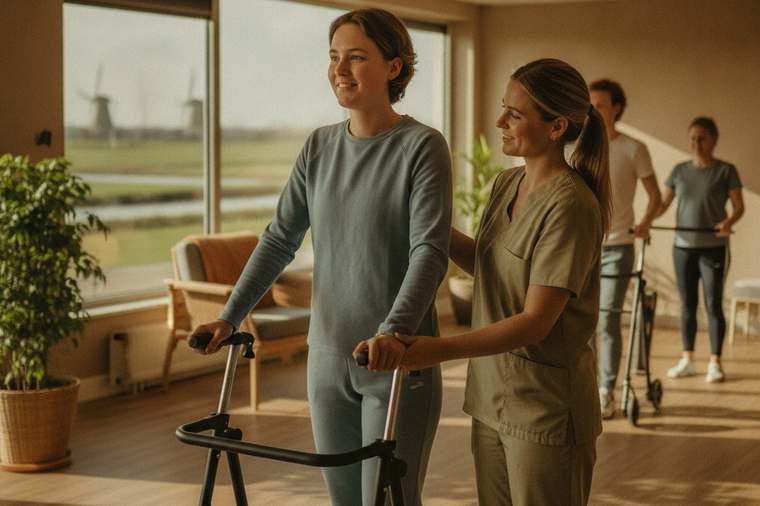
Blijvende gevolgen voor geheugen, gedrag en concentratie. Wij brengen alle gevolgschade in kaart.
Meer informatie
Hoofdpijn, vermoeidheid en concentratieproblemen na een klap op je hoofd. Wij verhalen je schade.
Meer informatie
Van een zweepslag tot een gekneusde wervel. Nek- en rugklachten hebben vaak langdurige gevolgen.
Meer informatie
Angst, herbelevingen en slaapproblemen na een schokkende gebeurtenis. Ook psychisch letsel telt mee.
Meer informatie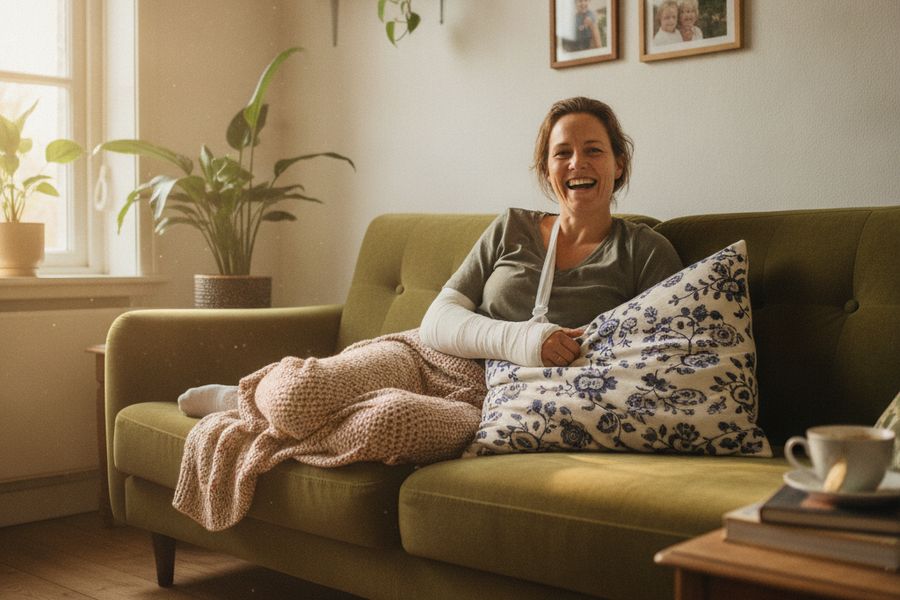
Een gebroken bot betekent vaak weken herstel en inkomensverlies. Wij claimen al je schade.
Meer informatie
Brandwonden vragen lange behandeling en laten vaak littekens na. Wij regelen een passende vergoeding.
Meer informatie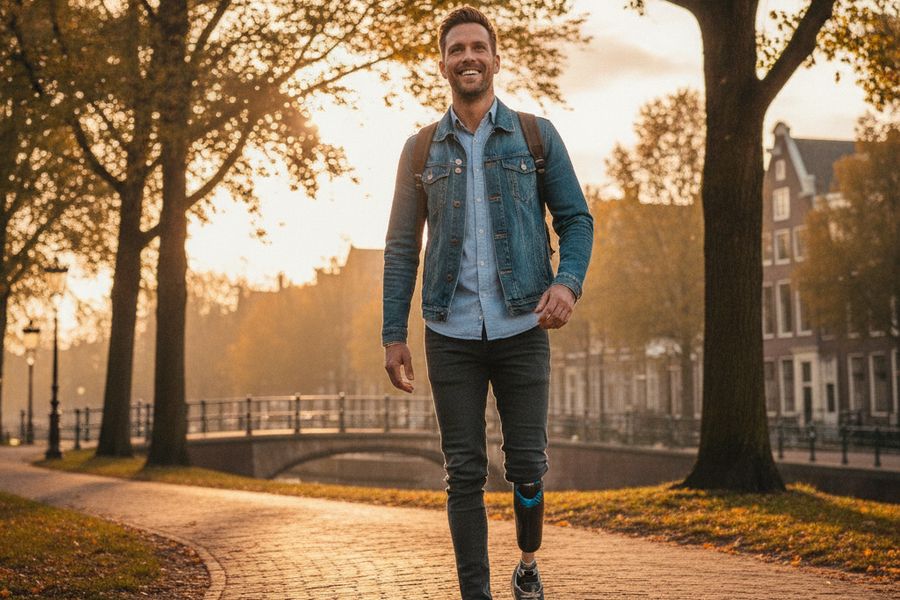
Het verlies van een ledemaat verandert je leven. Wij verhalen je schade, smartengeld en toekomstige kosten.
Meer informatie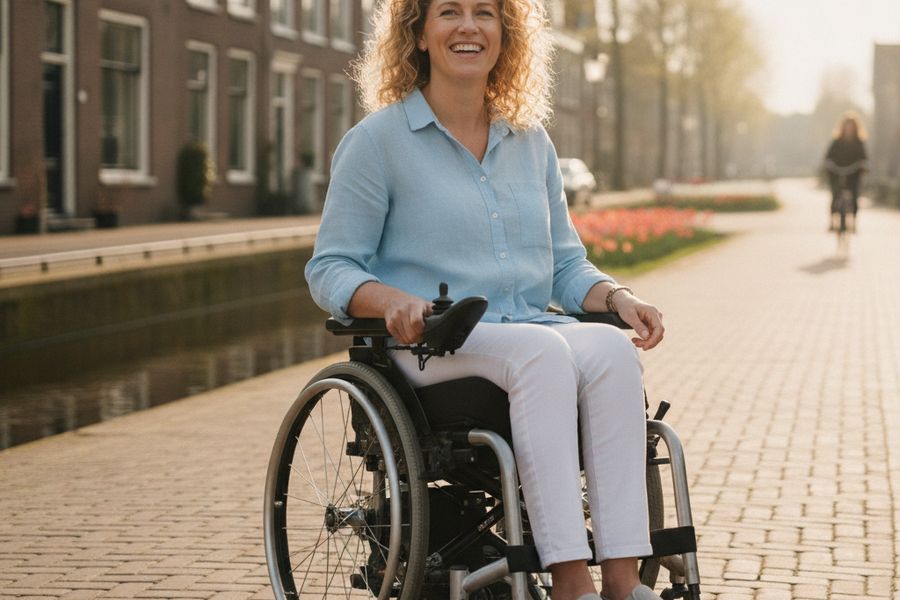
Een dwarslaesie heeft ingrijpende, blijvende gevolgen. Wij zorgen voor maximale vergoeding en zorg.
Meer informatie
Een posttraumatische stressstoornis is erkend letsel. Wij claimen smartengeld en behandelkosten.
Meer informatie
Van kraakbeen- tot bandletsel in de knie: vaak operatie en revalidatie nodig. Wij verhalen je schade.
Meer informatie
Een gebroken of zwaar verstuikte enkel houdt je lang uit de roulatie. Wij claimen je volledige schade.
Meer informatie
Polsbreuken belemmeren je werk en dagelijks leven. Wij zorgen dat al je schade wordt vergoed.
Meer informatie
Schouderletsel zoals een gescheurde pees beperkt je beweging fors. Wij verhalen je schade en herstelkosten.
Meer informatie
Verminderd zicht of blindheid heeft grote gevolgen. Wij claimen smartengeld en aanpassingen.
Meer informatie
Gehoorverlies of tinnitus na een ongeval of op het werk. Wij stellen de aansprakelijke partij aansprakelijk.
Meer informatie
Gebitsschade vraagt vaak langdurige, dure behandeling. Wij verhalen alle (toekomstige) tandartskosten.
Meer informatie
Blijvende littekens geven recht op smartengeld, zeker bij zichtbare of ontsierende plekken.
Meer informatie
Klachten aan arm, nek en schouder door je werk. Je werkgever is vaak aansprakelijk.
Meer informatie
Een bekkenfractuur betekent een lang en pijnlijk herstel. Wij claimen je schade en smartengeld.
Meer informatie
Ribletsel is pijnlijk en beperkend. Ook bij "kleiner" letsel heb je recht op een vergoeding.
Meer informatie
Een gebroken of beschadigde arm raakt je werk en zelfstandigheid. Wij verhalen je volledige schade.
Meer informatie
Beenbreuken en knieschade houden je lang uit de running. Wij claimen inkomensverlies en herstelkosten.
Meer informatie
Je handen heb je overal voor nodig. Letsel aan vingers of hand verhalen wij volledig op de tegenpartij.
Meer informatie
Is je hernia veroorzaakt door een ongeval of je werk? Dan kun je je schade mogelijk verhalen.
Meer informatie
Verlies je een dierbare door een ongeval? Nabestaanden hebben recht op vergoeding van gederfd levensonderhoud.
Meer informatie
Getuige van een ernstig ongeval van een naaste? Shockschade is een eigen, erkend recht op vergoeding.
Meer informatie
Naasten van een ernstig of dodelijk gewond slachtoffer hebben sinds 2019 recht op affectieschade.
Meer informatie
Een gescheurde kruisband betekent operatie en lange revalidatie. Wij verhalen je schade.
Meer informatie
Bij coma of een laag bewustzijn is de schade enorm. Wij staan de naasten kosteloos en zorgvuldig bij.
Meer informatieLetselschade kent vele gezichten. Soms is de schade meteen zichtbaar, zoals een gebroken been of een diepe wond. Maar heel vaak gaat het juist om letsel dat je aan de buitenkant niet ziet: een whiplash na een kop-staartbotsing, een hersenschudding die maar niet wil herstellen, blijvende hersenschade of de psychische gevolgen van een schokkende gebeurtenis. Juist bij dat onzichtbare letsel ontstaat de meeste discussie met verzekeraars, terwijl de impact op je leven enorm kan zijn.
Belangrijk om te weten: of je recht hebt op een vergoeding hangt niet alleen af van het soort letsel, maar vooral van de oorzaak. De aansprakelijkheid wordt namelijk bepaald door wat er is gebeurd. Heeft iemand je aangereden, dan ligt de aansprakelijkheid bij de veroorzaker van het verkeersongeval. Gebeurde het op je werk, dan is meestal je werkgever aansprakelijk. Bij een beet van een dier of bij geweld gelden weer andere regels. Het letseltype bepaalt vooral de hoogte en aard van je schadevergoeding, terwijl de oorzaak bepaalt wie er moet betalen.
Hieronder bespreken we de letsels die wij het vaakst zien, met de nadruk op de onzichtbare gevolgen. Bij elk letsel leggen we uit wat het inhoudt, waarom verzekeraars soms tegensputteren en hoe je toch sterk staat.

Vertel je verhaal Gratis adviesgesprek
Een whiplash ontstaat door een plotselinge, krachtige beweging van je hoofd en nek, meestal bij een kop-staartbotsing. Je nek maakt dan in een fractie van een seconde een zweepslagachtige beweging, waardoor spieren, banden en zenuwen overrekt raken. De klachten beginnen vaak pas uren of zelfs dagen later: nekpijn, hoofdpijn, duizeligheid, vermoeidheid, concentratie- en geheugenproblemen en soms tintelingen in armen of handen.
Het frustrerende van whiplash is dat er meestal niets te zien is op een röntgenfoto, CT- of MRI-scan. Whiplash is namelijk geen breuk of zichtbare beschadiging, maar een klachtenpatroon. Medisch heet dit Whiplash Associated Disorder (WAD). De Quebec Task Force deelt whiplash in graden in:
De meeste whiplashzaken vallen onder graad 1 of 2, juist de gevallen waarin scans niets laten zien. Dat maakt deze klachten niet minder echt. Bij veel mensen herstellen de klachten binnen enkele weken tot maanden, maar bij een deel blijven ze langdurig bestaan en leiden ze tot blijvende beperkingen in werk en privéleven.
Omdat whiplash zelden objectief op een scan te zien is, draait de discussie met de verzekeraar vrijwel altijd om het causaal verband: is er een oorzakelijk verband tussen het ongeval en jouw klachten? Verzekeraars proberen dat verband nogal eens in twijfel te trekken met het argument dat er geen medisch objectiveerbaar letsel is. Maar de rechtspraak in Nederland is op dit punt duidelijk en gunstig voor slachtoffers.
Voor het aannemen van causaal verband bij whiplash is geen medisch objectiveerbaar substraat vereist. Er hoeft dus niets op een scan zichtbaar te zijn. De juridische toets is een andere. Het verband tussen ongeval en klachten wordt aangenomen als aan de volgende voorwaarden is voldaan:
Hoe bouw je dit bewijs op? Dat doe je vooral met je medisch dossier en een consequente verslaglegging van je klachten. Ga bij klachten altijd naar je huisarts, zodat alles wordt vastgelegd. Houd zo nodig een klachtendagboek bij. Verzamelingen van behandelingen bij de fysiotherapeut, neuroloog of revalidatiearts versterken het beeld van consistente klachten. In veel zaken wordt later een onafhankelijke medisch deskundige ingeschakeld die beoordeelt of de klachten reëel, consistent en plausibel zijn en welke beperkingen daaruit voortvloeien. Een ervaren belangenbehartiger zorgt dat dit zorgvuldig en in jouw voordeel gebeurt.

Niet-aangeboren hersenletsel, afgekort NAH, is alle hersenschade die in de loop van het leven ontstaat en dus niet vanaf de geboorte aanwezig is. Bij letselschade gaat het meestal om traumatisch hersenletsel: schade aan de hersenen door een klap of stoot, bijvoorbeeld bij een verkeersongeval, een val van hoogte of een ongeval op het werk. De gevolgen kunnen ingrijpend en blijvend zijn.
NAH wordt niet voor niets het ‘onzichtbare letsel’ genoemd. Iemand kan lichamelijk grotendeels hersteld lijken, terwijl het functioneren ingrijpend is veranderd. Veelvoorkomende gevolgen zijn:
Juist die gedrags- en karakterveranderingen maken NAH zo zwaar, ook voor partners, kinderen en collega’s. Het letsel raakt niet alleen jou, maar je hele omgeving. Bij ernstig hersenletsel is de schade vaak groot: verlies van verdienvermogen, kosten voor zorg en hulp aan huis, aanpassingen in de woning en blijvende afhankelijkheid van anderen. Een zorgvuldige berekening van de letselschade is hierbij essentieel, omdat veel van deze kosten zich pas in de loop van de jaren openbaren.
Een hersenschudding is een lichte vorm van traumatisch hersenletsel, ontstaan door een klap of harde beweging van het hoofd. In medische termen heet dit een licht traumatisch hersenletsel. Vaak verlies je heel even het bewustzijn of ben je kort verward, gevolgd door hoofdpijn, misselijkheid, duizeligheid en lichtgevoeligheid. Bij de meeste mensen verdwijnen deze klachten binnen een paar dagen tot weken volledig.
Bij een deel van de slachtoffers blijven de klachten echter veel langer aanhouden. Houden de verschijnselen weken tot maanden aan, dan spreekt men van het postcommotioneel syndroom (PCS). De klachten lijken op die van whiplash en NAH: aanhoudende hoofdpijn, vermoeidheid, concentratie- en geheugenproblemen, prikkelbaarheid, slaapproblemen en overgevoeligheid voor licht en geluid. Net als bij whiplash zijn deze klachten meestal niet op een scan te zien, waardoor de verzekeraar het causaal verband kan betwisten.
Ook hier geldt: het ontbreken van zichtbaar letsel betekent niet dat je geen recht hebt op vergoeding. De juridische toets is dezelfde als bij whiplash. Zorg dat je klachten goed gedocumenteerd zijn bij je huisarts en behandelaars, zodat het verloop aantoonbaar consistent is. Bij langdurige klachten kan een neuroloog of neuropsycholoog de beperkingen in kaart brengen.

Vertel je verhaal Gratis adviesgesprek
Nek- en rugletsel komt in vele vormen voor. Soms gaat het om kneuzingen en verrekkingen van spieren en banden, die met rust en fysiotherapie genezen. In ernstiger gevallen ontstaat schade aan de wervelkolom zelf: een hernia, een wervelbreuk of beschadiging van het ruggenmerg. Die laatste categorie kan leiden tot blijvende uitval, krachtverlies, gevoelsstoornissen of in het ergste geval een dwarslaesie.
Rugklachten hebben een grote invloed op het dagelijks leven. Bukken, tillen, lang zitten of staan kan ineens onmogelijk zijn. Voor mensen met fysiek werk betekent dat vaak dat ze hun beroep niet meer kunnen uitoefenen. Ook hier speelt de discussie over causaal verband een rol, zeker bij mensen die vóór het ongeval al af en toe rugklachten hadden. De vraag is dan welk deel van de klachten door het ongeval komt. Een goede belangenbehartiger zorgt dat deze afbakening eerlijk verloopt en dat een eerdere kwetsbaarheid niet als excuus wordt gebruikt om je vergoeding te beperken. In het recht geldt namelijk dat je het slachtoffer moet nemen zoals het is, ook als het al een zwakke plek had.
Niet al het letsel is lichamelijk. Een ongeval, een overval, geweld of het verlies van een dierbare kan diepe psychische sporen nalaten. Veelvoorkomende klachten zijn angst, paniekaanvallen, somberheid, slaapproblemen, herbelevingen en het vermijden van situaties die aan de gebeurtenis herinneren. Wanneer deze klachten ernstig zijn en langdurig aanhouden, kan sprake zijn van een posttraumatische stressstoornis (PTSS).
PTSS is een erkend psychiatrisch ziektebeeld, opgenomen in de officiële classificatiesystemen voor psychische stoornissen. Een diagnose door een psychiater of psycholoog is hierbij van groot belang. Voor vergoeding van psychisch letsel geldt in het recht wel een drempel: er moet sprake zijn van een in de psychiatrie erkend ziektebeeld waardoor je in je persoon bent aangetast. Gewone verdriet, schrik of teleurstelling is niet voldoende; het moet gaan om een vastgestelde stoornis zoals PTSS, een depressieve stoornis of een angststoornis die het gevolg is van de gebeurtenis.
Is die drempel gehaald, dan heb je recht op vergoeding van zowel je behandelkosten, je inkomensverlies als smartengeld. Psychisch letsel gaat bovendien vaak samen met lichamelijk letsel: iemand met een ernstige whiplash of NAH ontwikkelt niet zelden ook depressieve of angstklachten. Het is belangrijk dat al deze gevolgen worden meegenomen in je dossier.
Bij elk van deze letsels heb je recht op vergoeding van alle schade die je door het ongeval lijdt. Die schade verdelen we in twee hoofdgroepen. De materiële schade bestaat uit alle concrete kosten en verliezen, zoals:
Daarnaast is er de immateriële schade, beter bekend als smartengeld. Dit is een vergoeding voor het leed, de pijn, het gederfde levensgenot en de gevolgen voor je welzijn. Het is geen vergoeding van kosten, maar een erkenning van wat het letsel met je heeft gedaan. Een volledige berekening van je letselschade brengt al deze posten samen, zodat je niets misloopt.
Goed om te weten: ook de kosten van rechtsbijstand vallen onder de schade. Op grond van artikel 6:96 BW (de redelijke kosten ter vaststelling van schade en aansprakelijkheid) moet de aansprakelijke verzekeraar de kosten van jouw belangenbehartiger vergoeden. Daardoor is onze hulp voor jou kosteloos zodra de aansprakelijkheid vaststaat.
De hoogte van het smartengeld wordt in Nederland bepaald aan de hand van eerdere uitspraken, verzameld in de ANWB Smartengeldgids. Rechters en belangenbehartigers zoeken daarin vergelijkbare zaken op om tot een passend bedrag te komen. Er is dus geen vaste tabel; elke zaak wordt individueel beoordeeld op basis van de ernst van het letsel, de duur van de klachten, de behandelingen en de gevolgen voor je leven.
Om je toch een idee te geven, hieronder enkele indicatieve bandbreedtes. Houd er rekening mee dat dit slechts een grove indicatie is en dat elke zaak uniek is:
Nogmaals: deze bedragen zijn indicatief en dienen alleen als richtsnoer. Het werkelijke smartengeld in jouw zaak kan hoger of lager uitvallen. Lees meer over hoe dit wordt vastgesteld op onze pagina over smartengeld.
Je bent niet verplicht om hulp in te schakelen, maar het is wel verstandig. De verzekeraar van de tegenpartij heeft jarenlange ervaring met letselschade en behartigt vooral zijn eigen financiële belang. Een eerste bod is vaak veel lager dan waar je werkelijk recht op hebt, en juist bij onzichtbaar letsel wordt het causaal verband stelselmatig ter discussie gesteld. Met deskundige hulp aan jouw kant staat de verhouding gelijker.
Een ervaren belangenbehartiger zorgt dat je medisch dossier op orde is, berekent je volledige schade, voert de onderhandelingen en bewaakt de juridische termijnen. Dat laatste is belangrijk: een vordering tot schadevergoeding verjaart in beginsel na vijf jaar, gerekend vanaf het moment dat je bekend bent met de schade en de aansprakelijke partij. Wacht dus niet te lang met het melden van je zaak.
Het mooiste is dat goede hulp je niets hoeft te kosten. Omdat de aansprakelijke verzekeraar op grond van artikel 6:96 BW de redelijke kosten van rechtsbijstand vergoedt, is onze begeleiding voor jou kosteloos zodra de aansprakelijkheid vaststaat. Je hoeft dus niet te kiezen tussen je herstel en je recht. Wil je weten waar je staat? Neem gerust vrijblijvend contact op, dan kijken we samen naar jouw situatie.
Letselschade is meer dan alleen je medische rekening. Wij brengen al je schade in kaart — ook de schade die je zelf misschien over het hoofd ziet.
Eigen risico, fysiotherapie, medicijnen, hulpmiddelen en alle andere kosten van je herstel.
Misgelopen salaris, een lagere uitkering of gemiste opdrachten doordat je (deels) niet kunt werken.
Een vergoeding voor de pijn, het verdriet en het gemis aan levensvreugde door je letsel.
De kosten van hulp in huis en bij de verzorging die je door je letsel nodig hebt.
Reiskosten naar arts en ziekenhuis, en aanpassingen aan je huis of auto.
Schade die je ook na de afhandeling nog lijdt, zoals blijvend inkomensverlies of doorlopende zorg.
Smartengeld is je vergoeding voor pijn, verdriet en gemis aan levensvreugde. Daar bovenop komt nog je materiële schade: medische kosten, verlies van inkomen, huishoudelijke hulp en toekomstige schade.
Onderstaande bedragen zijn indicatief (o.a. ANWB Smartengeldgids). Jouw situatie is uniek — wij berekenen je volledige schade gratis.
Bereken jouw schade| Type letsel | Smartengeld (indicatie) |
|---|---|
| Whiplash (lichte nekklachten) | € 1.500 – € 7.500 |
| Botbreuk (arm, pols of been) | € 2.500 – € 15.000 |
| Blijvende rug- of nekklachten | € 7.500 – € 35.000 |
| Hersenletsel (niet-aangeboren) | € 20.000 – € 150.000+ |
| Ernstig of blijvend invaliderend letsel | € 50.000 – € 250.000+ |
Heel simpel: de wet bepaalt dat de aansprakelijke partij — vrijwel altijd een verzekeraar — ook de kosten van je rechtsbijstand betaalt. Jij loopt dus geen enkel financieel risico en houdt 100% van je schadevergoeding over.
Na een ongeval voel je je vaak klein tegenover de verzekeraar. Dat hoeft niet. Wij zijn een Nederlands team van letselschade-experts dat vóór jou opkomt — persoonlijk, betrokken en vastberaden. Vertel kort wat er is gebeurd, dan helpen wij je verder.



Je wordt persoonlijk geholpen door ervaren, gecertificeerde letselschade-experts.
“Ze namen alles uit handen en regelden een mooie vergoeding. Echte aandacht voor mijn situatie — ik voelde me eindelijk gehoord.”— Mark de V., Utrecht

Letselschade draait om persoonlijke aandacht. Bij ons ben je geen dossiernummer: je krijgt één vaste persoon die naast je staat, je in gewone taal uitlegt waar je aan toe bent en het gevecht met de verzekeraar uit handen neemt.
Samen zorgen we dat je er weer bovenop komt — want je staat sterker dan je denkt.

Te veel mensen met letsel kwamen tegenover een verzekeraar te staan die alle tijd en kennis had — en zij niet. Daardoor kregen ze veel minder dan waar ze recht op hadden, of gaven ze het op. Dat moest anders.
Daarom richtte ik Nederland Letselschade op: een Nederlands team dat vóór jou opkomt. Geen callcenter, geen kleine lettertjes. Eén vaste specialist die je kent, je in gewone taal uitlegt waar je staat, en net zo lang doorgaat tot jouw schade volledig vergoed is. Kosteloos, want de verzekeraar betaalt onze hulp.
Denian Wielhouwer Oprichter Nederland Letselschade
Wij nemen het hele traject uit handen, zodat jij je kunt richten op je herstel.
Je vertelt wat er is gebeurd. Wij beoordelen kosteloos of je recht hebt op een schadevergoeding.
Wij stellen de tegenpartij of verzekeraar namens jou aansprakelijk voor je letsel.
Wij berekenen al je schade: kosten, inkomensverlies, smartengeld en toekomstige schade.
Wij onderhandelen tot het maximale en zorgen dat het bedrag op jouw rekening komt.
Geen callcenter, maar ervaren letselschadespecialisten die jouw zaak persoonlijk behandelen.
“Ik zorg dat jij je nergens zorgen over hoeft te maken — het juridische regelen wij.”
“Ik bereken jouw schade tot in detail, zodat je krijgt waar je recht op hebt.”
“Scherp op jouw recht, met oog voor de mens erachter.”
“Na mijn verkeersongeval zag ik het even niet meer zitten. Ze namen alles uit handen en regelden een mooie vergoeding. Echte aandacht voor mijn situatie.”
“Snel contact, duidelijke uitleg in gewone taal en nooit een rekening gehad. Ik voelde me echt geholpen in een moeilijke periode.”
“Na een bedrijfsongeval dacht ik dat ik geen kans maakte. Toch is mijn schade volledig vergoed. Heel dankbaar voor de inzet.”
“Ik werd op de fiets aangereden en wist niet waar ik moest beginnen. Eén telefoontje en alles kwam in beweging. Top begeleiding.”
“De verzekeraar bood eerst veel te weinig. Dankzij hun expertise is er uiteindelijk een veel hoger bedrag uitgekeerd.”
“Persoonlijk, betrokken en altijd bereikbaar. Ik kreeg steeds een eerlijk antwoord, ook als het even tegenzat.”
Echte zaken, echte uitkomsten. Jij betaalt nooit iets — je volledige vergoeding houd je zelf.
Van achteren aangereden op de fiets, met blijvende nekklachten. Wij verhaalden de volledige schade én smartengeld.
Mark · UtrechtVal van een steiger door een onveilige werkplek. De werkgever bleek aansprakelijk; inkomensverlies en herstel volledig vergoed.
Peter · GroningenEen fout bij een operatie zorgde voor langdurig herstel. Wij toonden de aansprakelijkheid aan en regelden een passende vergoeding.
Sandra · RotterdamBedragen zijn voorbeelden van geanonimiseerde zaken. Wat jouw zaak waard is? Doe de gratis letselschade-check.
Wij gaan voor het maximale resultaat — met echte aandacht voor jou.
Laat je gegevens achter — wij beoordelen je zaak kosteloos en bellen je snel terug. Liever direct? Bel 085 0048550 of app ons.
100% vrijblijvend. Je gegevens worden vertrouwelijk behandeld.





Hoe eerder je je zaak meldt, hoe sterker je positie. De eerste stap is geheel vrijblijvend.